Countries
Erasmus+ KA210-SCH Project
Upcycling Patterns
About the Project
Learning Sustainability Through International Collaboration
Upcycling Patterns, also referred to as UpCyc, is an Erasmus+ KA210-SCH project built around the themes of environment, climate change, sustainability, and upcycling.
Mission
To raise environmentally conscious students through meaningful international cooperation.
Vision
To build a lasting educational culture centered on sustainability, creativity, and shared responsibility.
Approach
Learning by doing through workshops, research, mobility, teamwork, and digital dissemination.
Project Insights
Everything in One Place
Browse goals, timeline, activities, results, and core project details in a clean, tabbed interface — without endless scrolling.
Increase Environmental Awareness
Helping students better understand climate issues, sustainability, and responsible resource use.
Promote Sustainable Development Goals
Integrating sustainability concepts into school-based learning and project practice.
Encourage Active Participation
Enabling students to take part in research, production, workshops, and collaborative project tasks.
Strengthen International Cooperation
Building educational bridges among partner institutions through shared activities and intercultural exchange.
Project Launch
Kick-off meetings, planning, coordination, and role distribution among partners.
Research & Preparation
Students and teachers investigate sustainability topics, waste materials, and local practices.
Workshops & Production
Hands-on activities, design tasks, upcycling products, and collaborative classroom practices.
Mobility & Exchange
Partner visits, intercultural learning, peer interaction, and shared implementation experiences.
Student Workshops
Creative workshops focused on reuse, redesign, and transformation of materials.
Teacher Collaboration
Joint planning, pedagogical exchange, and shared classroom implementation.
Mobility Meetings
International visits and project meetings among partner schools.
Digital Dissemination
Online sharing of project outcomes, videos, visual materials, and reports.
Environmentally Aware Students
Students will develop stronger awareness of ecological issues and sustainable living practices.
Upcycling Products
Creative student outputs and project-based products developed through upcycling activities.
Educational Materials
Learning resources, digital materials, guides, reports, and project documentation.
Digital Content
Videos, presentations, visual materials, and online project resources.
Project Type
Erasmus+ KA210-SCH
School Education Small-scale Partnership
Project Duration
From 01/09/2025 to 31/08/2027
Total duration: 24 months
Methodology
Workshops, research, applied learning, collaboration, mobility, and digital production
Focus Areas
Sustainability, climate awareness, creativity, reuse culture, intercultural partnership, and student-centred production.
Partner Institutions
Schools Working Together
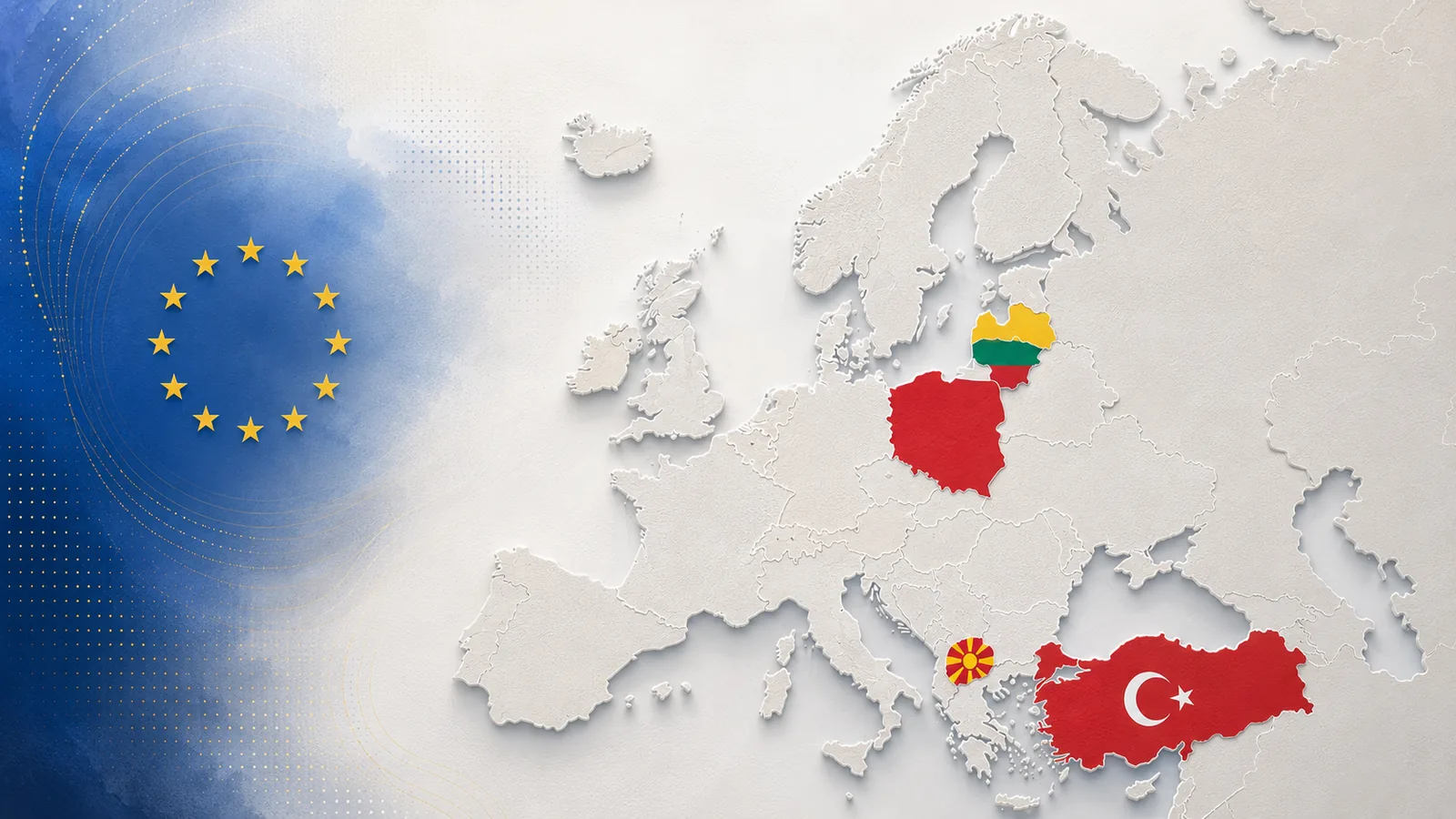
Upcycling Patterns brings together schools from four countries to collaborate on sustainability, student engagement, and innovative learning.
Türkiye
Coordinator: MEV Koleji Özel Basınköy Anadolu Lisesi
City: Istanbul
Role: Coordinating institution
North Macedonia
School: OEMUC "SV. NAUM OHRIDSKI"
City: Ohrid
Role: Project partner
Lithuania
School: Vilniaus automechanikos ir verslo mokykla
City: Vilnius
Role: Project partner
Poland
School: Zespół Szkół Samochodowych im. Tadeusza Tańskiego
City: Włocławek
Role: Project partner
Media Hub
Gallery, News & Resources
Explore project visuals, latest updates, and downloadable materials — all in one place.
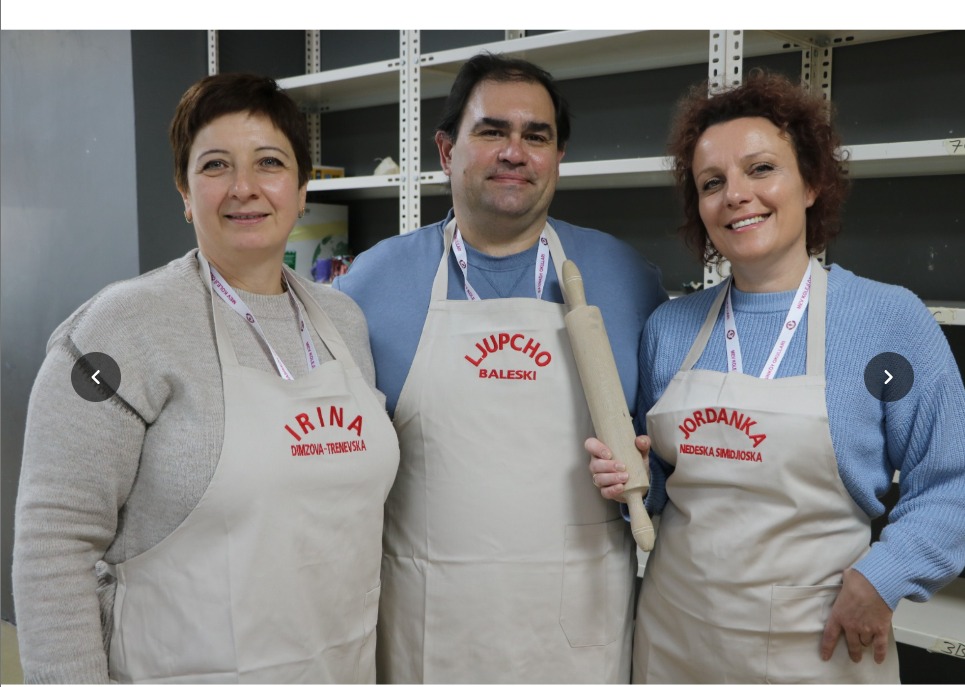
Kick-off Meeting Completed
Partner schools met to finalize the work plan, responsibilities, and dissemination goals.
Student Workshop Series Started
Students began hands-on activities focused on transforming waste materials into creative products.
Dissemination Materials Published
Digital content and visual project outputs were shared with the wider school community.
Project Brochure
A short introduction to the aims, partners, and activities of the project.
Workshop Guide
A practical guide containing activity samples and implementation steps.
Dissemination Report
A summary of project communication, outreach, and visibility activities.
FAQ
Frequently Asked Questions
Key information for students, teachers, parents, and visitors interested in the project.
What is Upcycling Patterns?
It is an Erasmus+ KA210-SCH school partnership project focused on sustainability, climate awareness, and creative reuse.
Who are the project partners?
The project includes partner schools from Türkiye, North Macedonia, Lithuania, and Poland.
What kinds of activities are included?
Workshops, research, mobility meetings, student production, digital dissemination, and collaborative learning activities.
How long does the project last?
The project duration is 24 months, from 01 September 2025 to 31 August 2027.
Contact
Get in Touch
For further information about the project, partnership activities, or institutional cooperation, please use the contact details below.
Coordinating Institution
MEV Koleji Özel Basınköy Anadolu Lisesi
Location
Istanbul, Türkiye
European Union Disclaimer
Funded by the European Union. Views and opinions expressed are however those of the author(s) only and do not necessarily reflect those of the European Union or the Turkish National Agency. Neither the European Union nor the granting authority can be held responsible for them.